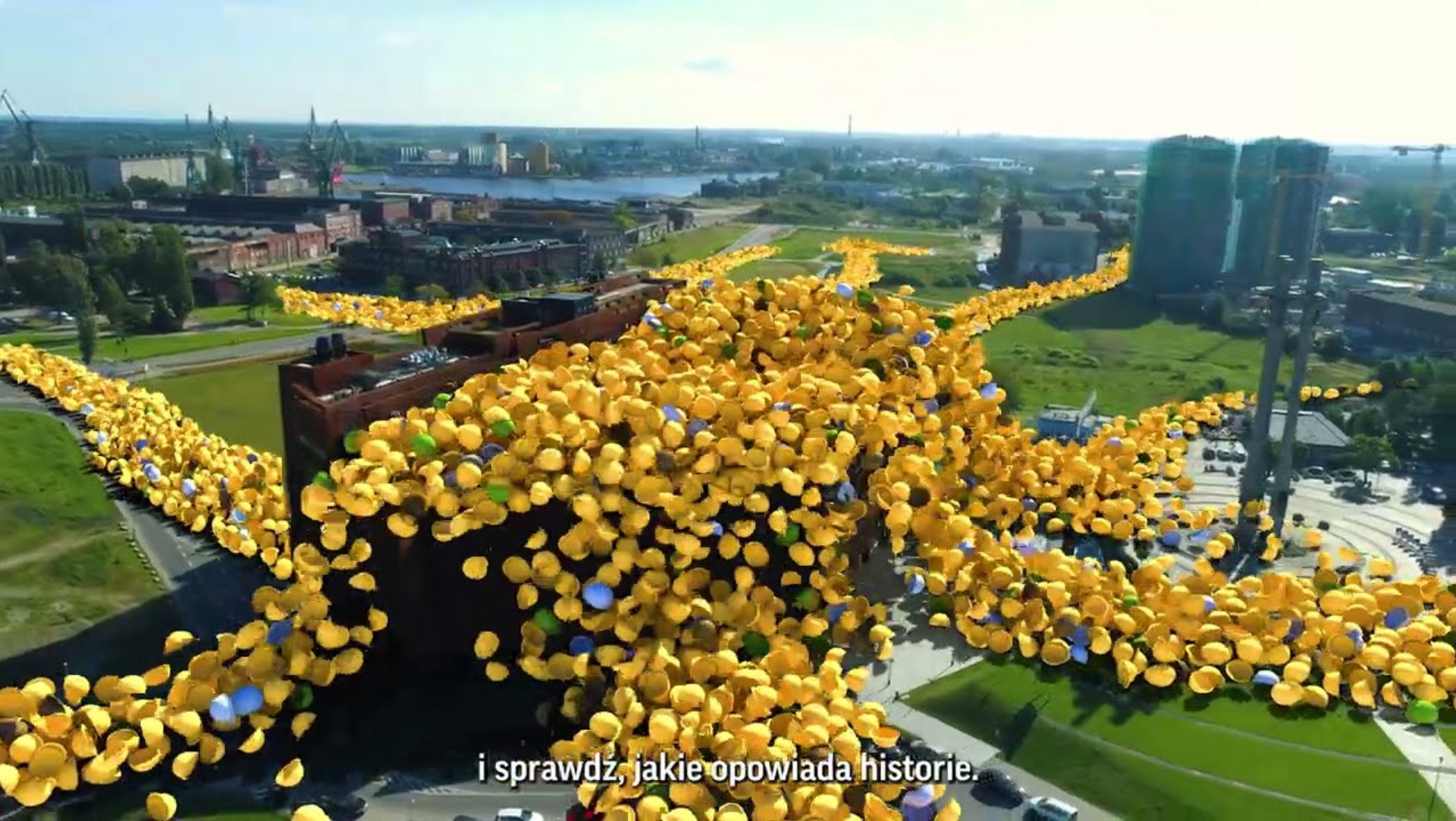
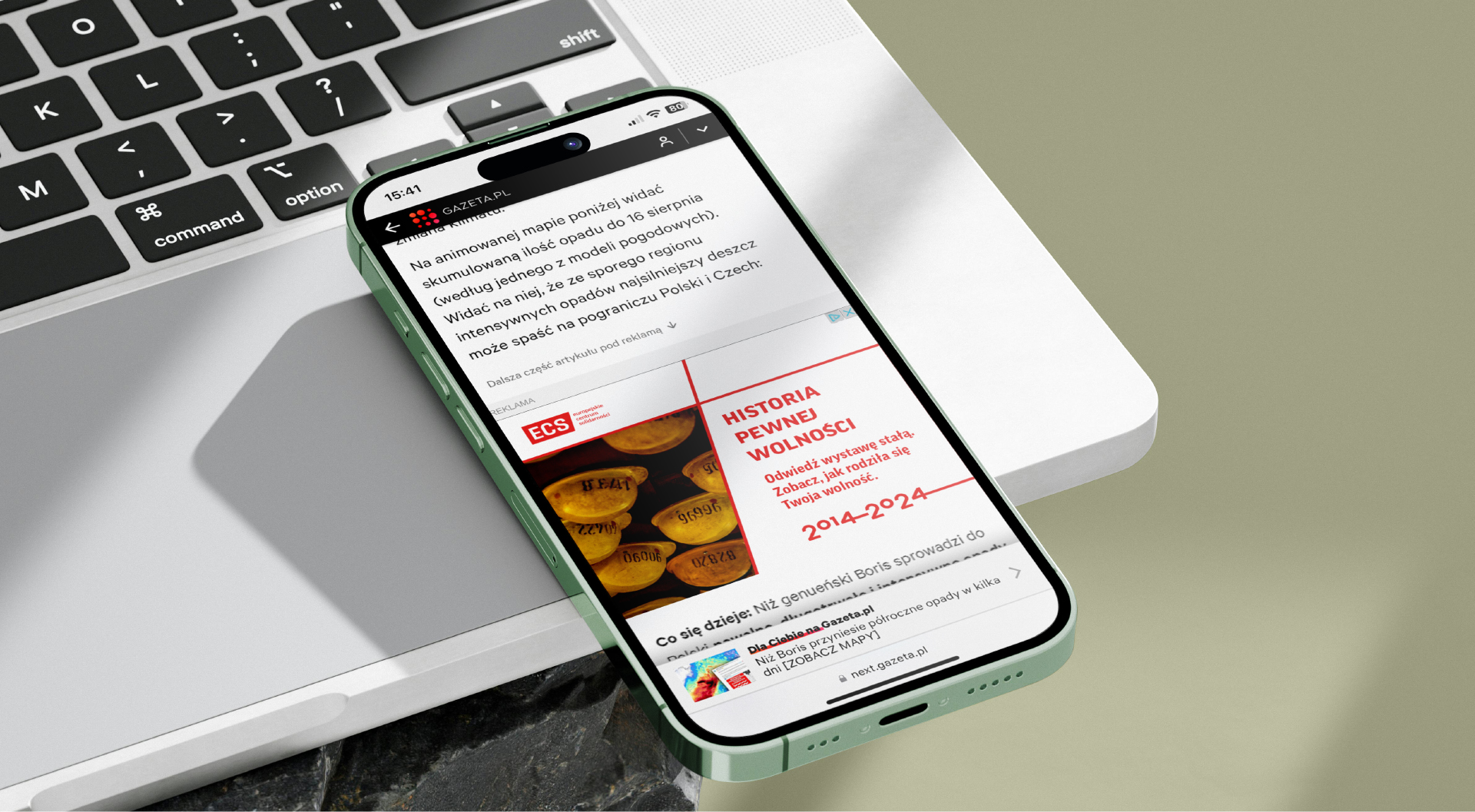
For the European Solidarity Centre, we developed a strategy to promote its permanent exhibition and communicate the institution's anniversary. We translated the idea “A story of freedom” into a digital campaign, materials in urban spaces and a promotional video using CGI.
Campaign concept
The campaign aimed to draw attention to the permanent exhibition and the ECS anniversary, and to support visitor numbers during the tourist season. It also sought to increase social media reach and engagement. These objectives informed our planning.
Audiences differed in age and interests. We needed an idea that would connect the messages while allowing different ways of reaching people. The slogan “A story of freedom” drew on the values of freedom and solidarity and the exhibition's subject matter.
Activity plan and communication channels
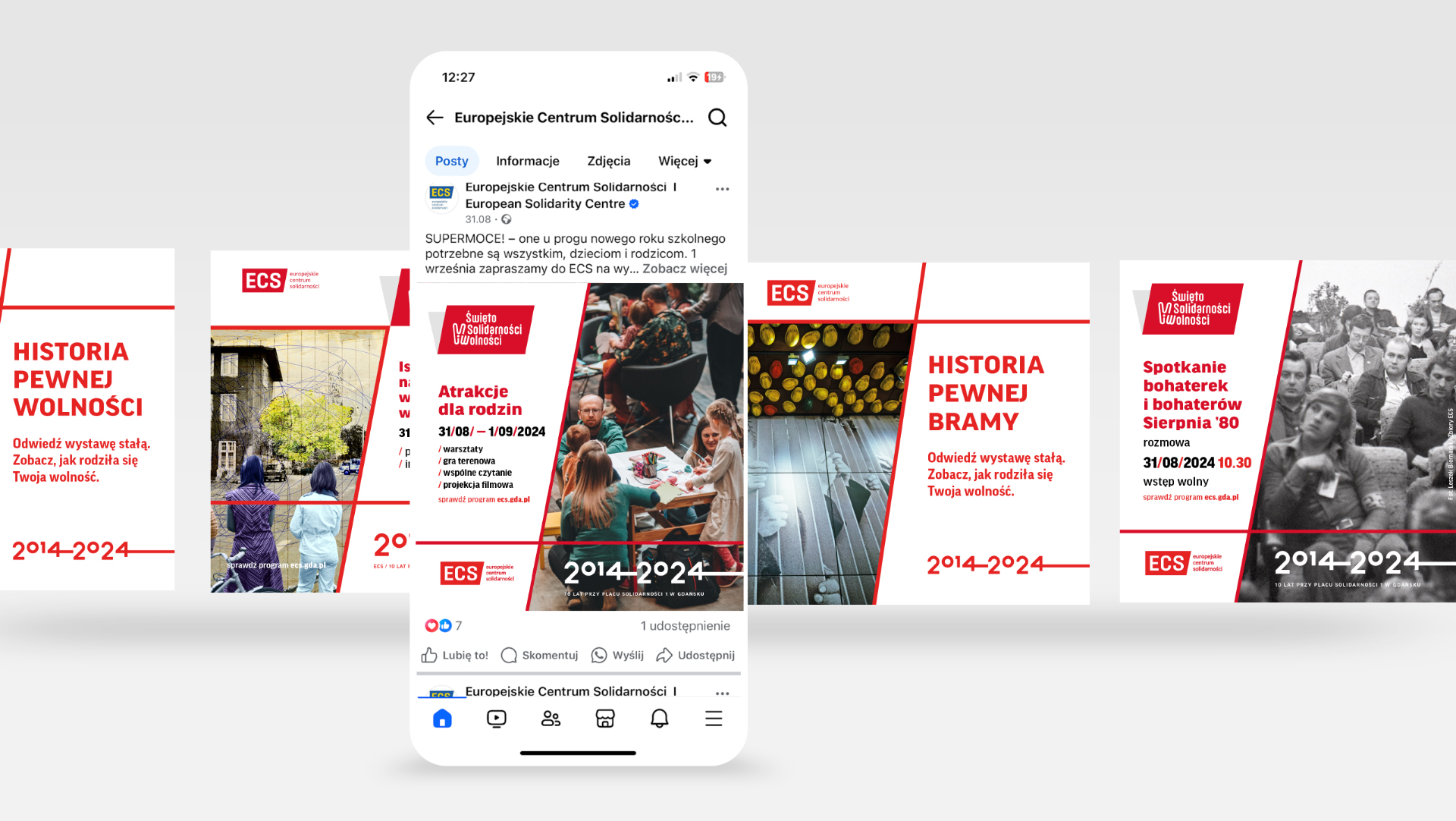
We developed a plan covering Google and Meta campaigns, advertising on web portals, Facebook and Instagram content, and competitions. It also included influencers specialising in history and culture, promotion on SKM commuter trains, ambient advertising and proposals for event materials.
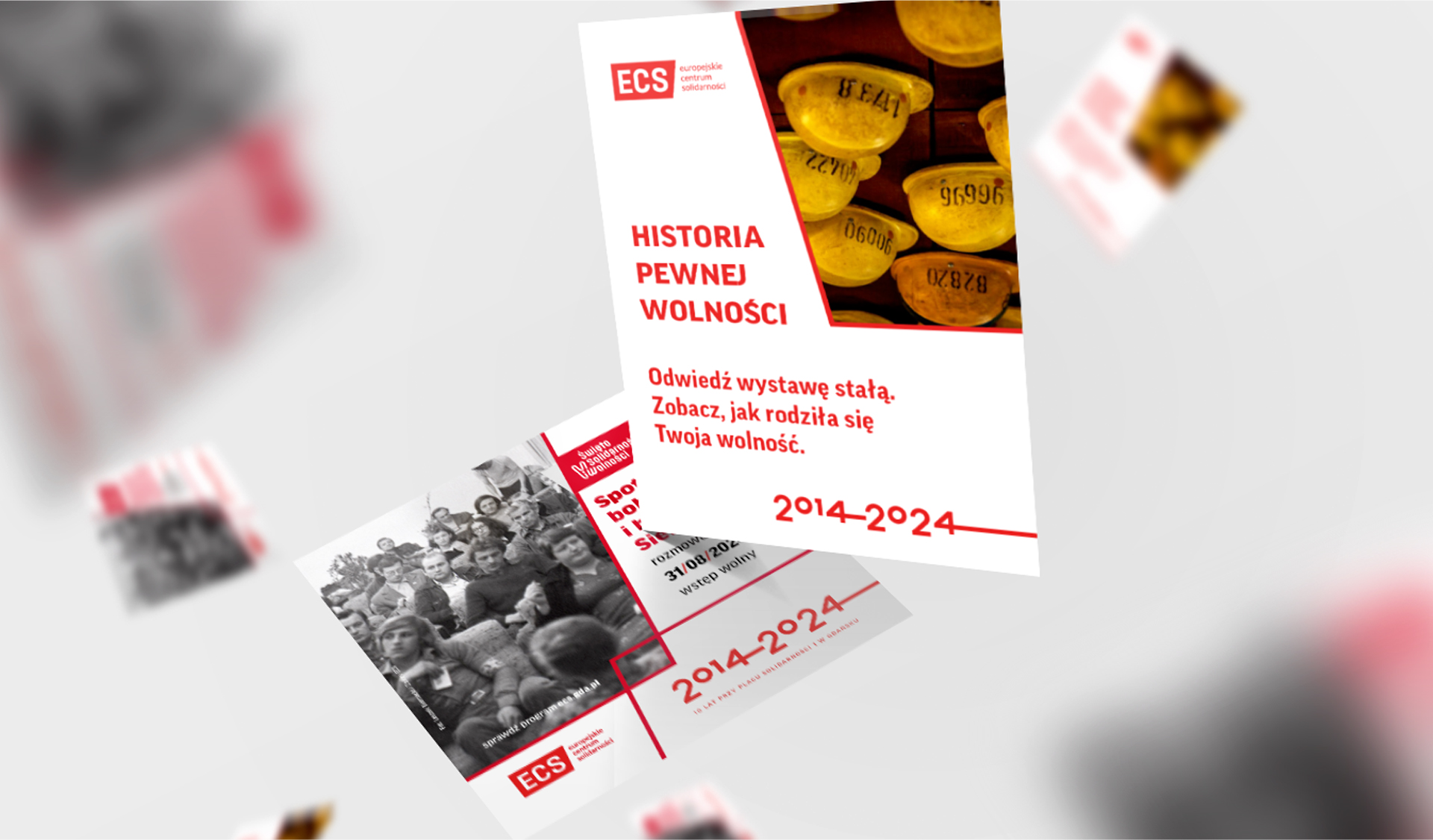
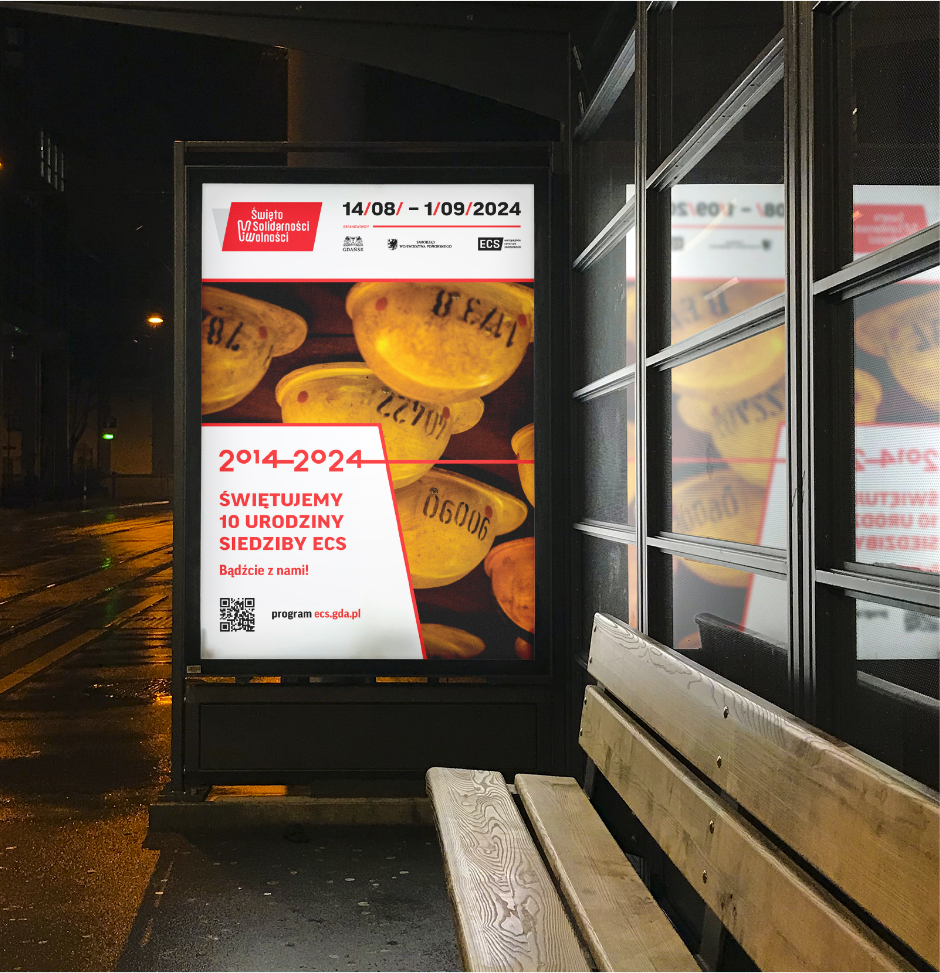
We prepared graphics and video for individual channels, from banners and social posts to printed posters. Each adaptation retained the campaign idea while responding to how audiences encounter that format.
SKM trains and CGI video
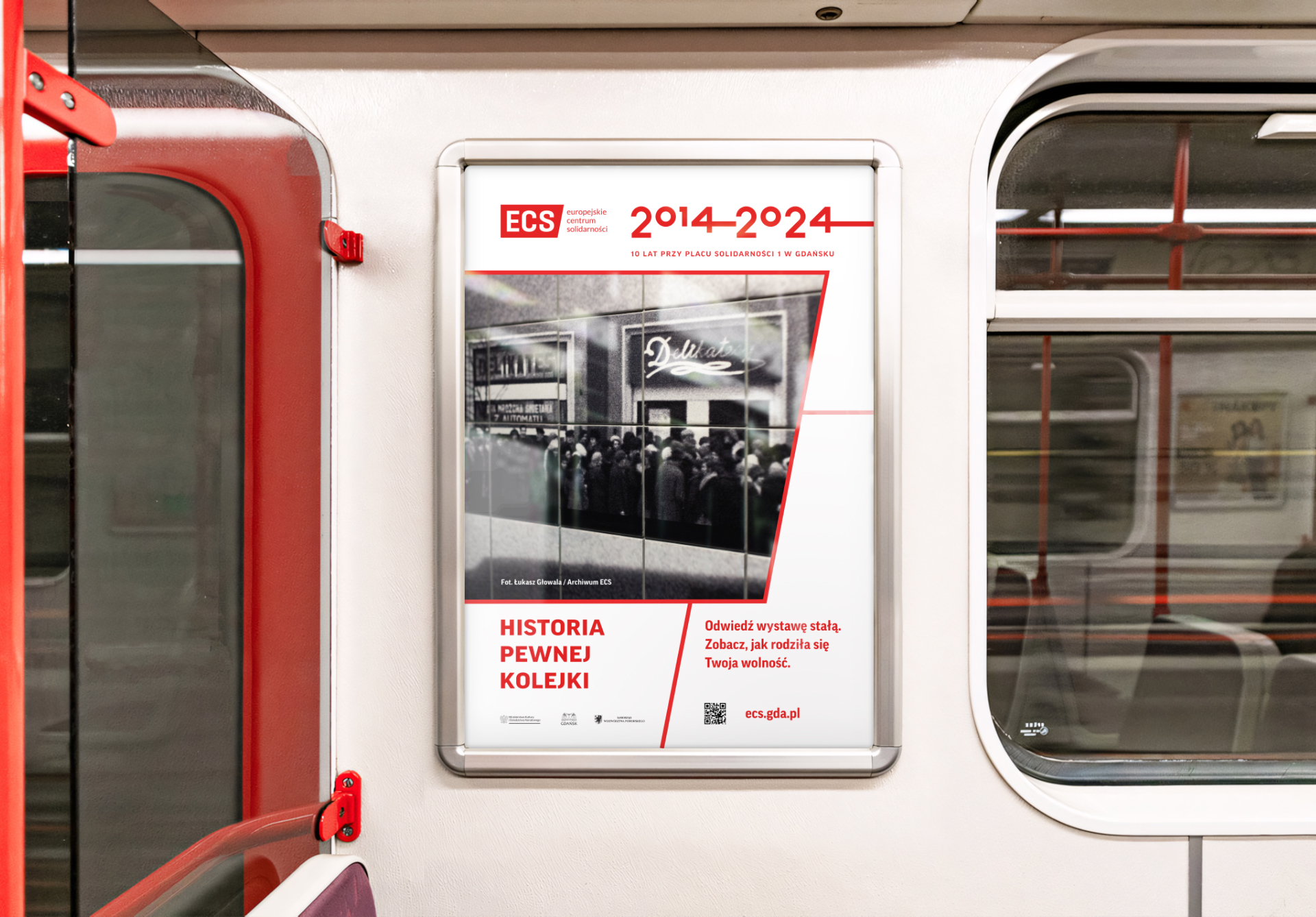
For the SKM activity, we extended the slogan into “A story of a queue”, playing on the Polish word for a train. We prepared the graphics and coordinated their display inside carriages, bringing the campaign into passengers' everyday journeys.
For the promotional film, we developed the script and coordinated filming and production. CGI allowed us to realise an idea beyond the possibilities of live footage alone. The format was intended to attract younger audiences.
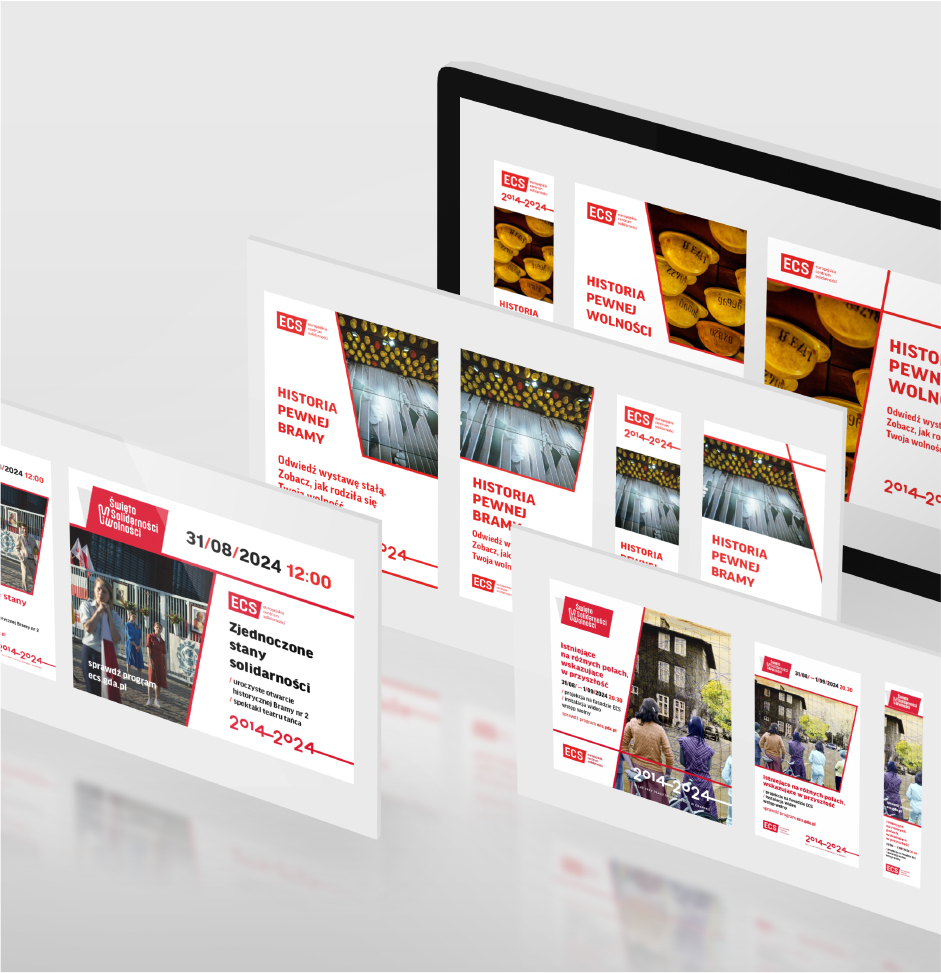
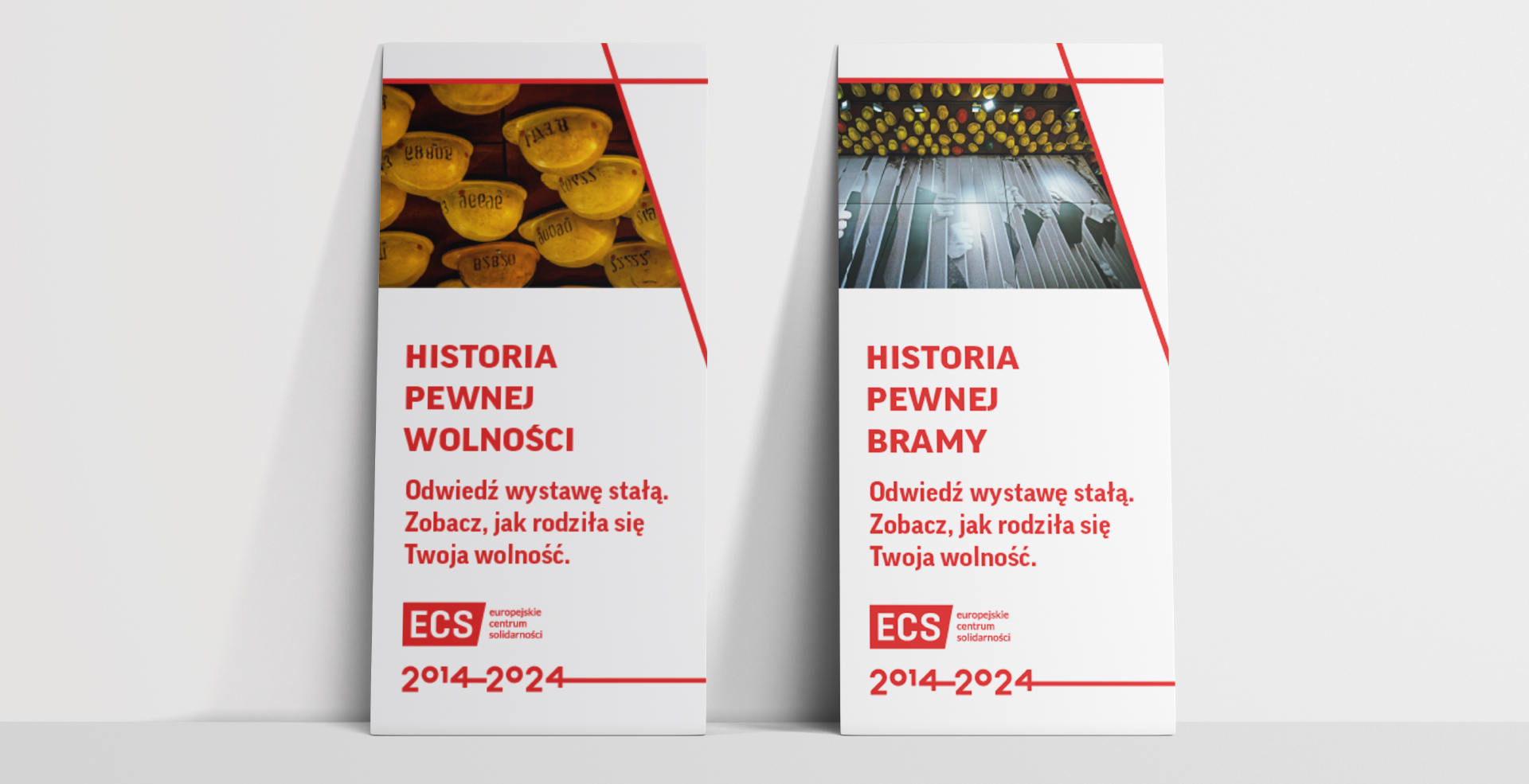
Consistent delivery across formats
We translated the strategy into materials and a campaign spanning the internet and city media. Our contribution brought together concept development, production, format adaptation and media coordination.
The project shows how a cultural institution's subject matter can extend into different encounters: an ad, a film, a social post and communications seen while travelling through the city.